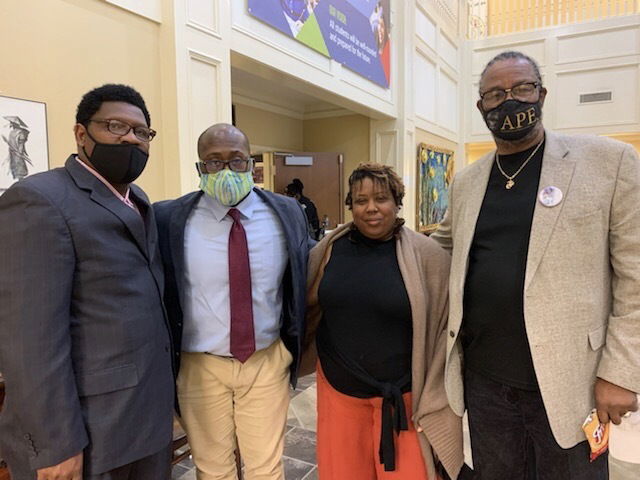
It’s obvious that Georgia teachers are treated unfairly. When animals run the zoo, there’s bound to be problems. It doesn’t surprise me: when students act out in class, administrators blame the teacher, like they somehow control their students through hypnosis. I say that’s hogwash. Parents should hand over their kids’ birth certificates, and stop wasting money on babysitters because, look! We have all of those things in one person! The teacher plays mommy, daddy, good cop, and bad cop. When teachers discipline, like mommy and daddy should, suddenly the teacher’s the villain.
What
happens next? Kids lie. They go to the front office, and now
administrators investigate everybody that dared do something
constructive with the kids. They’re afraid of losing their jobs,
and facing repercussions from the parents. Lazy superintendents fear
the school board and school board members fear Election Day. But
animals fear no one. Teachers face non-renewal and all because some
kid told a lie, and the adults responsible for filtering out the
fakes believe them. They destroy your career in the process.
Case
2.
Teacher
dresses better than the administrator. The administrator non-renews
teacher because they’re too lazy to dress up. Teacher holds a
higher degree than them, communicates better with parents and staff,
and even the janitor. A black administrator might get mad because the
teacher didn’t pledge to be a member of their sorority or
fraternity. This is crazy, and most of the time, non-renewal happens
because of something personal, not profession-based. Administrators
kissed a lot of ass to get to their seat, and they want you to do the
same. You won’t. You have respect. You worked hard to achieve your
degree and certification, but people fear the power they see in
others that they don’t see in themselves. The plot is set to
destroy your career and get you fired.
Case
3.
Teacher
joins a lazy ass teachers’ union instead of a real teachers’
union like the Association of Professional Educators (APE).
Those other unions take money from good educators and then do nothing
for them. When teachers get in real trouble, they cry out and there’s
no help, even after paying into these unions for years. Why would you
join a union that allows administrators in their union? So in reality
you cannot out ‘ape’, APE. APE will destroy any administrator who
tries to abuse its members and if you are a member, you have nothing
to worry about; APE has your back. It’s not about color, these lazy
ass administrators will destroy any teacher who doesn’t kiss their
ass. They are bipolar: they like you one day and hate you the next.
Don’t allow these bipolar administrators to destroy your teaching
career; fight back and join APE today.
Case
4.
Lazy
ass administrator abuses their power by using the evaluation process
to destroy a teacher’s career. APE calls this “Bad drive-by
evaluations”. They come into your room unannounced, evaluate you
when they are not scheduled to, and mark you low in communication.
They mark you low in communication when even they cannot communicate.
This area is use mostly because the administrator can be subjective.
These administrators wait until it’s time to give you your summative
end of year review so they can mark you down as negative for the
year. This negative summative is recorded at the Georgia Professional
Standard Commission (PSC) and if you have received two of these
negative summative reports within 5 years, then the PSC suspends your
certificate until you have had a chance to re-mediate your
deficiency, but how can you re-mediate if you do not have a
certificate to get another teacher position?
IF
you have car insurance, you need teacher’s insurance. Join APE today
before you get HIT!
Representation is not a slogan. It is a loyalty question.
When your principal is evaluating you, disciplining you, threatening your job, or building a paper trail against you, whose side is your education association really on?
Ask that question before you receive the bad evaluation. Ask it before the meeting, before the grievance, before the hearing, before someone starts whispering that your teaching certificate is in danger.
Because when one organization represents both classroom teachers and administrators, the conflict is not imaginary. It is structural.
An association may be well-intentioned. Its staff may work hard. Its members may be sincere. But when the teacher and the administrator belong to the same organization, and the dispute is teacher versus principal, the organization cannot be fully loyal to both sides.
Something has to give. In too many cases, the teacher gives.
The Question Every Georgia Teacher Should Ask
Before you join or renew any teacher union in Georgia, ask:
“If my principal is also a member, will you fight that principal for me?”
Not advise me.
Not tell me to “work it out.”
Not encourage me to accept an improvement plan, transfer schools, resign quietly, or keep my head down.
Fight for me.
Will the organization challenge the administrator’s documentation? Will it attack an unfair evaluation? Will it file the grievance? Will it take the matter to a hearing? Will it protect your job and help defend your teaching certificate?
Or will someone suddenly explain that the situation is “complicated” because the administrator is also a member?
That is the moment many teachers discover the difference between being enrolled and being represented.
The Big-Tent Model: Why Some Organizations Include Administrators
Many education associations enroll a broad range of school employees, including classroom teachers, principals, assistant principals, central-office employees, and other education professionals.
There is an understandable business and organizational appeal to that model:
More members can mean more dues revenue.
A larger membership can create greater political visibility.
A “big tent” can make the organization appear more powerful.
Broader membership can support more programs, publications, insurance products, and professional services.
That model may be legal. It may be presented as inclusive. It may be built with good intentions.
But inclusive membership does not automatically produce exclusive loyalty.
A classroom teacher does not need an organization that merely has more names on a membership roll. A teacher facing administrative retaliation needs an advocate whose mission is clear, whose interests are aligned, and whose representation cannot be diluted by divided loyalties.
This is not necessarily a claim that every dual-role organization deliberately betrays teachers. It is a question of structure:
Can an organization serve the person challenging a decision and the person who made that decision with the same force, urgency, and loyalty?
That is the conflict.
Why Dual Representation Breaks Down in Practice
1. The administrator is the person being challenged
Suppose a principal gives you an unfair evaluation, documents allegations against you, or recommends discipline.
The organization’s representative may now be asked to challenge the work of another member:
Attack the evaluation.
Question the administrator’s documentation.
Challenge the disciplinary recommendation.
Dispute the principal’s version of events.
Argue that the administrator misused authority.
On paper, the organization may say it can represent the teacher. But the administrator is still part of the organization’s membership community.
That creates an uncomfortable question: Will the organization be willing to confront its own member with the same aggression it would show a nonmember opponent?
2. Administrators often have greater institutional influence
Administrators may have more seniority, more connections, more influence in district conversations, and greater familiarity with organizational leadership.
A classroom teacher may be one individual standing alone against a principal, human resources department, superintendent, or district legal team.
The administrator may know the people making decisions. The administrator may have relationships with association leaders. The administrator may understand how the system operates from the inside.
Meanwhile, the teacher is trying to protect a job, reputation, income, and professional certificate.
That is not an equal fight.
3. Relationships can pressure representatives toward caution
Representation requires independence. But if an organization must maintain relationships with both teachers and administrators, it may be pushed toward cautious language and quiet compromise.
The representative may think:
“Let’s not make this bigger than it needs to be.”
“We need to preserve the working relationship.”
“Can the teacher accept a transfer?”
“Can we settle this without a hearing?”
“Maybe the teacher should sign the improvement plan.”
“We do not want to alienate the administrator.”
That may protect institutional peace.
But institutional peace is not the same thing as teacher protection.
When your career is on the line, you need someone willing to make the room uncomfortable. You need someone willing to ask hard questions, challenge the record, issue a written rebuttal, and force the other side to respond.
How a Teacher Ends Up Unrepresented
A teacher may technically have an association membership and still be functionally unrepresented.
Here is what that can look like:
The representation is narrowed. You are told the organization can file a grievance but will not take the dispute to a hearing.
The case is labeled “outside the scope.” The organization declines because the dispute involves your principal, a local policy, or a matter it does not cover.
You are pressured to compromise immediately. You are encouraged to accept a resignation, transfer, improvement plan, reprimand, or settlement simply to make the conflict disappear.
The organization claims it cannot take sides. You hear, “We cannot take a position against another member.”
A conflict check creates delay. While representatives determine who can participate, deadlines pass and the teacher remains exposed.
Your story is folded into the institution’s narrative. Instead of asking whether the administrator acted fairly, everyone starts discussing whether the teacher should have been more cooperative.
This is how a teacher loses ground, not always through an open refusal, but through delay, dilution, compromise, and institutional politeness.
You paid for representation. You received management of the dispute.
Conflict-of-Interest Rules Exist for a Reason
In law, an attorney generally cannot represent opposing interests in the same matter.
In medicine, patient confidentiality and professional independence matter because divided interests can damage care.
In union representation, conflicts must be disclosed and managed.
In sports, nobody accepts a referee who is secretly playing for one of the teams.
So why should teachers accept representation that places their advocate in the middle of a teacher-versus-administrator fight?
A conflict does not require someone to be openly corrupt. It exists when divided obligations can affect judgment, strategy, confidentiality, urgency, or willingness to fight.
Loyalty divided is loyalty diluted.
And when the administrator is the person evaluating your work, controlling your building environment, influencing your assignment, or recommending discipline, the stakes are enormous.
Why A.P.E. Is Built Differently
A.P.E. represents ONLY classroom teachers.
Not principals.
Not assistant principals.
Not superintendents.
Not central-office administrators.
That distinction is not a marketing trick. It is the foundation of our mission.
A.P.E. does not have to ask whether defending you will offend the administrator whose decision you are challenging. We do not have to explain that your principal is also one of our members. We do not have to pretend that the teacher and the administrator have equal power.
Our loyalty is to the classroom teacher. Period.
A.P.E. provides aggressive support in matters involving:
School grievances
Tribunals and hearings
Contract disputes
Certification defense
Unfair teacher evaluation defense
Written rebuttal letters
Job protection and employment disputes
Administrative overreach
Threats to your teaching certificate
Student and parent-related disciplinary conflicts
We also use direct action and public advocacy when appropriate, including school visits, central-office visits, street pickets, and A.P.E. Anonymous reporting.
This is not passive membership. This is not a certificate mailed to your home while you face the battlefield alone.
A.P.E. shows up. A.P.E. fights back. A.P.E. does not abandon teachers.
Advocacy Beyond the Hearing Room
A.P.E. also keeps teachers informed and connected through multiple platforms:
The MWR Financial Partnership, offering financial wellness resources related to credit restoration, homeownership, home-based businesses, and student loan debt.
A teacher under pressure needs more than one phone number. You need a network, information, legal support, and an organization prepared to act.
Ask These Questions Before You Join
Before joining any teacher labor union or education association, ask for clear answers in writing:
Does your organization enroll principals or administrators?
Which administrators are eligible to join?
Can you represent me against another member?
What happens when my principal and I are both members?
Who chooses my representative?
Can a representative be recused because of another member?
Do you cover principal-versus-teacher disputes?
Will you challenge an unfair evaluation?
Will you take my grievance to a hearing?
Will you defend my teaching certificate?
Will you issue a written rebuttal?
Will you take public action when private negotiations fail?
Does the organization represent me, or does it manage me?
Do not accept vague promises. Ask the question. Keep the answer. Read the bylaws. Review the exclusions.
Your career is too valuable for handshake assurances.
A.P.E. Passes the Loyalty Test
A.P.E. passes the loyalty test because we represent ONLY teachers.
We do not collect administrator dues and then ask classroom teachers to trust us when the administrator becomes the opponent.
We do not pretend that power is evenly distributed between a principal and a teacher.
We know who we represent. We know who we defend. We know who we fight for.
Download or check the current availability of the A.P.E. Mobile App, and call the main office at 770-347-8797.
Do not wait until the hearing. Do not wait until the certificate is threatened. Do not wait until the paper trail is complete.
Join before the crisis.
A.P.E. represents teachers. A.P.E. protects teachers. A.P.E. fights for teachers.
General educational information only. This post is not legal advice and does not create an attorney-client relationship. Teachers facing a specific employment, disciplinary, certification, or legal matter should consult qualified legal counsel about their individual circumstances.
Teachers do not need another organization that collects dues, sends a magazine, and tells them to wait. They need a fighter.
That is why the Association of Professional Educators, A.P.E., stands as the only aggressive teachers’ association in the South built exclusively around defending classroom teachers.
Not administrators. Not central-office executives. Not the people evaluating you.
Teachers. ONLY teachers.
When your principal starts building a paper trail, when a “drive-by evaluation” suddenly threatens your professional record, or when a district pressures you to resign quietly, A.P.E. does not hide behind polite language and empty promises.
Representation on Paper Is Not Representation in the Room
Many educators have paid membership dues for years believing they were protected, only to discover that help becomes slow, limited, or uncertain when the crisis finally arrives.
A phone number is not representation.
A benefits package is not representation.
A liability policy is not representation.
Representation means someone is willing to confront the district, challenge the record, meet the deadline, and stand beside you when the room gets hostile.
A passive association may tell you to stay calm, cooperate, and hope the district acts fairly. But what happens when the district has already decided to control the story?
Who writes the response?
Who challenges the allegations?
Who files the grievance?
Who protects your professional record?
Who stands with you at the hearing?
A.P.E. does.
We do not tell teachers to keep their heads down while administrators write whatever they want into an evaluation. We tell teachers to document, respond, challenge, organize, and fight, professionally and aggressively.
That is the difference between being “covered” and being PROTECTED.
What Does “Aggressive” Actually Mean?
Aggressive does not mean reckless. It does not mean shouting without evidence or creating unnecessary chaos.
At A.P.E., aggressive means disciplined action with a backbone.
Depending on the circumstances, A.P.E. offers support involving:
Written rebuttal letters challenging inaccurate or misleading records.
School grievance representation when policies, contracts, or procedures are violated.
Tribunal and hearing defense when a teacher’s job, reputation, or certificate is at risk.
Contract dispute assistance when districts attempt to force teachers into unfair choices.
Certification defense when evaluations or disciplinary actions threaten a teaching certificate.
School visits when a member needs direct organizational intervention.
Pickets and direct action in front of schools or central offices when pressure is necessary.
A.P.E. Anonymous, an avenue for information provided by anonymous sources.
Public advocacy through A.P.E. MAFIA TV, which exposes the harsh realities educators face.
Rapid response and ongoing dedication because administrative trouble does not always happen from 9 to 5.
This is not about making noise for entertainment. It is about making sure the district is not allowed to create a one-sided record and call it the truth.
Aggressive means the teacher is never abandoned, and the district is never allowed to write the story alone.
The Conflict-of-Interest Question Nobody Wants to Answer
Here is the question every teacher should ask before joining a teacher organization:
Does the organization represent the people evaluating me, or does it represent me?
A.P.E. represents ONLY classroom teachers. We do not represent principals. We do not represent superintendents. We do not represent central-office administrators.
That is not a minor detail. That is the foundation of our entire model.
When one organization includes both the teacher and the administrator, the teacher deserves to ask: When conflict comes, whose side will come first?
A.P.E. answers that question before the crisis begins.
Our loyalty is to classroom educators. Our mission is defending classroom educators. Our advocacy, legal representation, and direct action are organized around classroom educators.
No mixed loyalties. No divided mission. No sitting on the fence while your career burns.
Georgia Teachers Are Facing Real Career Threats
Georgia educators understand how quickly a workplace problem can become a career problem.
A hostile principal can turn a routine observation into a negative evaluation. A complaint based on hearsay can become a disciplinary meeting. A disagreement over student discipline can become a leadership narrative about “insubordination.” A teacher who speaks up can suddenly face non-renewal pressure, a professional development plan, or a demand to resign.
A.P.E. calls out the bad drive-by evaluation: the rushed, superficial, or poorly supported observation that can be used to undermine a teacher’s professional standing.
The danger is not only the score itself. The danger is the paper trail that follows:
A negative observation.
An unfavorable conference.
An unremediated summary.
A professional development plan.
A contract dispute.
A non-renewal recommendation.
A referral or complaint affecting certification.
Teachers should not wait until the final meeting to discover that the record has been building against them for months.
Do not wait until your certificate is threatened. Do not wait until your contract is already in the superintendent’s hands. Do not wait until the district tells you the decision has already been made.
Join before the emergency.
A.P.E. Fights With Evidence, Deadlines, and Procedure
Let us be clear: aggressive does not mean unprofessional.
A.P.E.’s aggression is built on documentation, policy, timelines, evidence, written communication, and counsel. We fight the way teachers must fight when powerful institutions control the meeting, the file, and the language.
That means:
Requesting records.
Reviewing the evaluation history.
Preserving emails and notices.
Identifying inconsistencies.
Challenging unsupported conclusions.
Preparing rebuttals.
Tracking deadlines.
Filing grievances when appropriate.
Preparing for hearings and tribunals.
Escalating when informal conversations fail.
The district may have a legal department, human resources staff, administrators, and layers of bureaucracy. You should not face that machine alone.
Strong teachers deserve strong representation.
We Do Not Just Talk About the Fight. We Take It Public
A.P.E. operates across multiple channels because teachers need more than one form of support.
Through A.P.E. RADIO, Georgia educators can learn about school laws and their rights.
Through N2Haynes, Norreese L. Haynes provides a monthly newsletter addressing the realities of Georgia public schools.
Through Georgia Teachers Fight Back!, educators are encouraged to challenge superficial evaluations and administrative overreach.
Through Principal Clowns, A.P.E. raises awareness about ineffective school leadership.
Through A.P.E. MAFIA TV, teachers and the public can see the realities educators face from administrators, students, and parents.
Through direct action, school visits, reporting channels, advocacy, and public exposure, A.P.E. makes one message clear:
Teachers are not disposable. Teachers are not silent. Teachers are not alone.
More Than Legal Defense: A Protective Community
A.P.E. membership is not merely another monthly bill. It is a professional protection system and a community of educators prepared to stand together.
Members can also access the A.P.E. mobile app for appointments, resources, membership access, and ongoing connection. Visit the A.P.E. Mobile App page for current information.
A.P.E. members may also access the MWR Financial Partnership, which offers resources related to credit restoration, homeownership, home-based business opportunities, and financial challenges such as student loan debt.
Because protecting your career matters, but so does protecting your life outside the school building.
Join the Only Aggressive Teachers’ Association in the South
A.P.E. membership is:
$50 per month, or
$600 per year
Membership includes access to A.P.E.’s aggressive teacher-focused representation in grievances, tribunals, contract disputes, hearings, and certification defense, subject to the facts and circumstances of each matter.
Do not wait until the principal has already written the story. Do not wait until the district has already decided your future. Do not wait until stress, fear, and legal expenses are overwhelming you.
Join now. Download the app. Call A.P.E. Share this with a teacher who needs protection.
The South has plenty of organizations that talk about educators.
A.P.E. fights for them.
A.P.E. represents ONLY teachers.
A.P.E. does not abandon its members.
When they attack your career, A.P.E. fights back.
A.P.E.: Aggressive Protection for Educators.
General educational information only. This article is not legal advice and does not create an attorney-client relationship. Teachers facing an employment, evaluation, disciplinary, contract, or certification matter should seek advice based on the specific facts, applicable law, district policy, and deadlines involved.
A liability policy can help defend you after a claim. But it will not automatically protect your job, your certificate, your contract, or your professional reputation when school leadership starts applying pressure.
That distinction matters.
Georgia teachers hear “get liability insurance” from preparation programs, associations, districts, and fellow educators. Insurance has value. It may provide financial protection when a covered lawsuit alleges negligence, errors, omissions, or other harm connected to your professional duties.
But insurance is not the same thing as teacher legal representation.
It may not write your grievance. It may not prepare your rebuttal letter. It may not attend a disciplinary meeting with you. It may not fight a non-renewal, challenge an unfair teacher evaluation, defend your certificate, or confront administrative overreach.
A policy can be a financial backstop. A.P.E. is active defense.
The question Georgia teachers should really ask
The question is not simply, “Do I have liability insurance?”
Ask these questions instead:
Who represents me when my principal puts a damaging letter in my file?
Who stands with me before I sign a statement or attend a disciplinary meeting?
Who handles a school grievance or contract dispute?
Who fights an unfair evaluation before it becomes the district’s excuse to remove me?
Who helps protect my teaching certificate if the Georgia Professional Standards Commission becomes involved?
Who responds when I am facing non-renewal, suspension, or administrative retaliation?
If your answer is “I’m not sure,” you are not fully protected. You are exposed.
What liability insurance generally does
Professional liability insurance is generally designed to address covered claims connected to your professional duties. Depending on the policy, that may include:
Allegations of negligence by a parent or student
Claims involving errors or omissions
Defense costs in a covered civil lawsuit
Certain damages, subject to policy limits
Specific criminal, certification, or employment-related defense benefits in some association plans
The exact answer is always in the policy, not in a sales pitch, brochure, or hallway conversation.
The Georgia Department of Administrative Services administers an Educators Professional Liability Insurance Program that provides excess liability coverage for public school teachers and certificated personnel. DOAS describes the coverage as protection against damages arising while educators perform duties as employees of their school system.
That is important. It is also limited.
A policy focused on covered liability claims is not automatically a complete employment-defense plan. A claim against you is not the same as a grievance initiated by you. A lawsuit is not the same as a bad evaluation. A settlement or damages issue is not the same as a threatened certificate.
Do not confuse financial coverage with career protection.
Insurance is reactive. Representation is proactive.
Insurance is usually triggered by a covered claim, lawsuit, or event described in the policy.
But the moments that can determine your career often happen before a lawsuit ever exists:
The “drive-by” observation
The surprise meeting with the principal
The allegation you are asked to answer immediately
The corrective action placed in your personnel file
The demand that you sign a statement
The sudden improvement plan
The non-renewal notice
The threat to report you
The meeting where everyone else already has a plan
What happens in those moments can shape the record later.
A liability policy may not walk into that meeting with you. It may not challenge the process. It may not draft a strong rebuttal. It may not force the administration to explain its inconsistencies.
That is why school grievance representation, documentation, and rapid response matter.
At A.P.E., we believe teachers should not wait until the damage is done. Protect yourself before the crisis, not after the paperwork becomes a weapon.
Georgia’s sovereign immunity does not make every problem disappear
Georgia public school districts and public employees may have certain protections involving sovereign immunity and official conduct. Those protections can affect whether, how, and against whom a lawsuit may proceed.
But sovereign immunity is not a magic shield that makes every conflict simple. It does not erase every allegation against an individual educator. It does not automatically resolve a disciplinary action, employment dispute, certification matter, or unfair evaluation.
And it does not mean a teacher should casually assume that a liability policy will respond to every problem.
The practical lesson is straightforward:
Read your policy. Confirm your eligibility. Ask what is excluded. Speak with qualified Georgia counsel about your specific situation.
For general statutory background, teachers can review O.C.G.A. § 20-2-930 and the current information provided by Georgia DOAS. Neither a statute nor a summary page replaces legal advice about your facts.
What to check before trusting any policy
Before you rely on liability insurance as your complete protection plan, find the actual policy documents and ask:
1. Who is covered?
Are you covered as a certificated classroom teacher? Does coverage apply to coaches, special education staff, substitutes, or other roles? Are there separate membership categories?
2. What activities are covered?
Many policies limit coverage to duties performed in your professional capacity as a school or district employee. Volunteer work, outside business activity, private services, and unrelated conduct may be excluded.
3. Are employment disputes covered?
Ask specifically about:
Non-renewal
Termination
Suspension
Demotion
Discrimination claims
Contract disputes
Internal grievances
Retaliation
Personnel-file disputes
Do not assume “legal protection” means every employment problem is covered.
4. Are discipline and certification matters covered?
Ask whether the plan covers administrative discipline, Georgia PSC proceedings, ethics investigations, certificate defense, or criminal allegations. Some plans provide specific benefits; others exclude or limit them.
Can you select your own attorney? Must the insurer approve counsel? Does the association assign counsel? Can the insurer control settlement decisions?
These questions matter when your career is on the line.
6. What are the limits and deductibles?
Check per-occurrence limits, annual aggregates, defense-cost limits, deductibles, reimbursement rules, and any requirement that you win or be exonerated before receiving benefits.
7. Is the insurer required to approve the matter?
Some policies require prompt notice, prior approval, or specific reporting procedures. Waiting too long can create problems.
8. Does the organization represent administrators too?
This is the conflict-of-interest question many teachers skip.
If an organization represents teachers and administrators, whose side does it take when their interests collide?
A.P.E. represents ONLY classroom teachers, not principals, superintendents, or administrators.
A.P.E. is not a substitute insurance policy, and that is the point
A.P.E. membership is not presented as a generic liability policy. It is an active teacher-defense membership built around representation, advocacy, and response.
For $50 per month or $600 per year, A.P.E. provides aggressive legal representation in matters including:
School grievances
Tribunals
Contract disputes
Employment hearings
Certification defense
Written rebuttal letters
Administrative overreach
Unfair teacher evaluation defense
We do not tell teachers to sit quietly and hope the situation improves. We help educators understand their rights, build a record, respond to attacks, and take action.
That action can include school visits, direct advocacy, pickets in front of schools or central offices, and anonymous reporting through A.P.E. Anonymous.
Insurance may help after a covered claim. A.P.E. fights when the warning signs first appear.
Your protection should be bigger than a policy document
A.P.E. membership also connects teachers to a broader network of education advocacy and resources:
It can be valuable, but liability insurance alone is not enough.
If you are worried about a negligence lawsuit, review your available coverage and understand its limits. If you are worried about your job, evaluation, contract, hearing, grievance, or teaching certificate, you need to look beyond a financial policy.
You need people who will respond.
You need people who understand the school environment.
You need people who will not abandon you when administration turns up the pressure.
You need active teacher protection, not just a policy number.
Or call the A.P.E. main office today at 770-347-8797.
Do not wait until the principal has built a file against you. Do not wait until a non-renewal letter lands on your desk. Do not wait until your certificate is threatened.
Join A.P.E. Protect your career. Protect your certificate. Fight back.
Disclaimer: This article provides general educational information only. It is not legal advice, legal representation, insurance advice, or an insurance policy. Coverage varies by policy, membership category, district, role, and circumstances. Read your own policy and plan documents carefully, and consult a qualified attorney licensed in Georgia for advice about your specific situation.
A liability policy can help defend you after a claim. But it will not automatically protect your job, your certificate, your contract, or your professional reputation when school leadership starts applying pressure.
That distinction matters.
Georgia teachers hear “get liability insurance” from preparation programs, associations, districts, and fellow educators. Insurance has value. It may provide financial protection when a covered lawsuit alleges negligence, errors, omissions, or other harm connected to your professional duties.
But insurance is not the same thing as teacher legal representation.
It may not write your grievance. It may not prepare your rebuttal letter. It may not attend a disciplinary meeting with you. It may not fight a non-renewal, challenge an unfair teacher evaluation, defend your certificate, or confront administrative overreach.
A policy can be a financial backstop. A.P.E. is active defense.
The question Georgia teachers should really ask
The question is not simply, “Do I have liability insurance?”
Ask these questions instead:
Who represents me when my principal puts a damaging letter in my file?
Who stands with me before I sign a statement or attend a disciplinary meeting?
Who handles a school grievance or contract dispute?
Who fights an unfair evaluation before it becomes the district’s excuse to remove me?
Who helps protect my teaching certificate if the Georgia Professional Standards Commission becomes involved?
Who responds when I am facing non-renewal, suspension, or administrative retaliation?
If your answer is “I’m not sure,” you are not fully protected. You are exposed.
What liability insurance generally does
Professional liability insurance is generally designed to address covered claims connected to your professional duties. Depending on the policy, that may include:
Allegations of negligence by a parent or student
Claims involving errors or omissions
Defense costs in a covered civil lawsuit
Certain damages, subject to policy limits
Specific criminal, certification, or employment-related defense benefits in some association plans
The exact answer is always in the policy, not in a sales pitch, brochure, or hallway conversation.
The Georgia Department of Administrative Services administers an Educators Professional Liability Insurance Program that provides excess liability coverage for public school teachers and certificated personnel. DOAS describes the coverage as protection against damages arising while educators perform duties as employees of their school system.
That is important. It is also limited.
A policy focused on covered liability claims is not automatically a complete employment-defense plan. A claim against you is not the same as a grievance initiated by you. A lawsuit is not the same as a bad evaluation. A settlement or damages issue is not the same as a threatened certificate.
Do not confuse financial coverage with career protection.
Insurance is reactive. Representation is proactive.
Insurance is usually triggered by a covered claim, lawsuit, or event described in the policy.
But the moments that can determine your career often happen before a lawsuit ever exists:
The “drive-by” observation
The surprise meeting with the principal
The allegation you are asked to answer immediately
The corrective action placed in your personnel file
The demand that you sign a statement
The sudden improvement plan
The non-renewal notice
The threat to report you
The meeting where everyone else already has a plan
What happens in those moments can shape the record later.
A liability policy may not walk into that meeting with you. It may not challenge the process. It may not draft a strong rebuttal. It may not force the administration to explain its inconsistencies.
That is why school grievance representation, documentation, and rapid response matter.
At A.P.E., we believe teachers should not wait until the damage is done. Protect yourself before the crisis, not after the paperwork becomes a weapon.
Georgia’s sovereign immunity does not make every problem disappear
Georgia public school districts and public employees may have certain protections involving sovereign immunity and official conduct. Those protections can affect whether, how, and against whom a lawsuit may proceed.
But sovereign immunity is not a magic shield that makes every conflict simple. It does not erase every allegation against an individual educator. It does not automatically resolve a disciplinary action, employment dispute, certification matter, or unfair evaluation.
And it does not mean a teacher should casually assume that a liability policy will respond to every problem.
The practical lesson is straightforward:
Read your policy. Confirm your eligibility. Ask what is excluded. Speak with qualified Georgia counsel about your specific situation.
For general statutory background, teachers can review O.C.G.A. § 20-2-930 and the current information provided by Georgia DOAS. Neither a statute nor a summary page replaces legal advice about your facts.
What to check before trusting any policy
Before you rely on liability insurance as your complete protection plan, find the actual policy documents and ask:
1. Who is covered?
Are you covered as a certificated classroom teacher? Does coverage apply to coaches, special education staff, substitutes, or other roles? Are there separate membership categories?
2. What activities are covered?
Many policies limit coverage to duties performed in your professional capacity as a school or district employee. Volunteer work, outside business activity, private services, and unrelated conduct may be excluded.
3. Are employment disputes covered?
Ask specifically about:
Non-renewal
Termination
Suspension
Demotion
Discrimination claims
Contract disputes
Internal grievances
Retaliation
Personnel-file disputes
Do not assume “legal protection” means every employment problem is covered.
4. Are discipline and certification matters covered?
Ask whether the plan covers administrative discipline, Georgia PSC proceedings, ethics investigations, certificate defense, or criminal allegations. Some plans provide specific benefits; others exclude or limit them.
Can you select your own attorney? Must the insurer approve counsel? Does the association assign counsel? Can the insurer control settlement decisions?
These questions matter when your career is on the line.
6. What are the limits and deductibles?
Check per-occurrence limits, annual aggregates, defense-cost limits, deductibles, reimbursement rules, and any requirement that you win or be exonerated before receiving benefits.
7. Is the insurer required to approve the matter?
Some policies require prompt notice, prior approval, or specific reporting procedures. Waiting too long can create problems.
8. Does the organization represent administrators too?
This is the conflict-of-interest question many teachers skip.
If an organization represents teachers and administrators, whose side does it take when their interests collide?
A.P.E. represents ONLY classroom teachers, not principals, superintendents, or administrators.
A.P.E. is not a substitute insurance policy, and that is the point
A.P.E. membership is not presented as a generic liability policy. It is an active teacher-defense membership built around representation, advocacy, and response.
For $50 per month or $600 per year, A.P.E. provides aggressive legal representation in matters including:
School grievances
Tribunals
Contract disputes
Employment hearings
Certification defense
Written rebuttal letters
Administrative overreach
Unfair teacher evaluation defense
We do not tell teachers to sit quietly and hope the situation improves. We help educators understand their rights, build a record, respond to attacks, and take action.
That action can include school visits, direct advocacy, pickets in front of schools or central offices, and anonymous reporting through A.P.E. Anonymous.
Insurance may help after a covered claim. A.P.E. fights when the warning signs first appear.
Your protection should be bigger than a policy document
A.P.E. membership also connects teachers to a broader network of education advocacy and resources:
It can be valuable, but liability insurance alone is not enough.
If you are worried about a negligence lawsuit, review your available coverage and understand its limits. If you are worried about your job, evaluation, contract, hearing, grievance, or teaching certificate, you need to look beyond a financial policy.
You need people who will respond.
You need people who understand the school environment.
You need people who will not abandon you when administration turns up the pressure.
You need active teacher protection, not just a policy number.
Or call the A.P.E. main office today at 770-347-8797.
Do not wait until the principal has built a file against you. Do not wait until a non-renewal letter lands on your desk. Do not wait until your certificate is threatened.
Join A.P.E. Protect your career. Protect your certificate. Fight back.
Disclaimer: This article provides general educational information only. It is not legal advice, legal representation, insurance advice, or an insurance policy. Coverage varies by policy, membership category, district, role, and circumstances. Read your own policy and plan documents carefully, and consult a qualified attorney licensed in Georgia for advice about your specific situation.
Stop. Do not sign that resignation, settlement agreement, or “mutual separation” document just because someone placed it in front of you.
A Georgia teacher facing a non-renewal notice is often pressured to respond immediately. An administrator may say, “This is routine.” Human Resources may call it “the best option.” Someone may suggest that resigning will make the situation “go away.”
Maybe. Maybe not.
The district already has administrators, HR staff, and legal counsel protecting its interests. You need someone protecting yours. The wrong signature can affect your employment record, hearing rights, future references, and ability to challenge an unfair teacher evaluation.
Here are 10 urgent things Georgia teachers should know before signing anything.
1. Understand what “non-renewal” actually means
A non-renewal generally means the school system does not intend to offer you a contract for the next school year. It is different from a termination for cause, which usually involves ending an existing contract during its term based on stated grounds.
That difference matters.
For a Georgia teacher serving under an annual contract, the district may have more discretion not to renew the contract. Particularly before continuing-contract protections attach. However, the district must still follow applicable law, contract terms, board policy, and required notice procedures. It cannot use non-renewal as a cover for unlawful discrimination, retaliation, or other prohibited conduct.
Your contract status also matters. A teacher with four consecutive full-year, full-time contracts in the same school system may have continuing-contract protections commonly described as tenure rights. Under Georgia’s Fair Dismissal Act framework, continuing-contract teachers generally cannot simply be pushed out without statutory cause and due process.
Review the language of O.C.G.A. §§ 20-2-940 and 20-2-942, along with your contract and local board policy. Do not assume your principal, or even district HR, has correctly classified your status.
The first question is simple: Are you an annual-contract teacher, or do continuing-contract rights apply? Find out before you respond.
2. Do not resign or sign on the spot
A resignation can look voluntary even when you felt cornered, threatened, or misled.
A “resignation in lieu of non-renewal” may affect your ability to challenge the district’s action. A separation agreement may require you to release claims, waive a hearing, accept a particular employment history, or agree not to discuss what happened.
Your signature may mean:
You accept the district’s version of events.
You waive potential claims.
You agree not to pursue a grievance or hearing.
You authorize a specific personnel-file entry.
You accept restrictions on future references.
You surrender the ability to demand certain relief.
Do not let anyone rush you with statements like, “Sign now or lose the offer.” Ask for a copy. Take it home. Photograph every page if necessary. Contact a qualified representative or attorney before signing.
If you already signed something, contact representation anyway. The document may still be reviewable, and deadlines may still exist.
No hallway conversation is worth sacrificing your career over.
3. Read the notice and check every deadline
Georgia teacher non-renewal deadlines can be decisive. For many public-school employment situations, written notice of intent not to renew is generally required by May 15, with automatic-continuation rules potentially applying when timely notice is not provided. Notice procedures may also involve certified mail, the superintendent’s signature, and information about due-process rights.
But do not rely on a calendar slogan alone.
Check:
The date printed on the notice.
The date it was mailed and the date you received it.
Whether it was sent by certified mail or another required method.
Whether the notice identifies your contract status.
Whether it states the district’s intent clearly.
Whether it includes hearing or response information.
Whether your contract or board policy creates additional procedures.
The exact deadline to request a hearing, appeal, grievance, or review.
Some Georgia guidance describes a short period, often 20 days, to request a non-renewal hearing in applicable circumstances. Do not assume you have time. A district’s internal deadline, contract deadline, or statutory deadline may control your next move.
Save the envelope, tracking information, email attachments, calendar invitations, and every version of the notice.
Missed deadlines can cost more than money. They can cost your voice.
4. Know the difference between non-renewal and termination, and what it can mean for your certificate
A routine non-renewal does not automatically mean your Georgia teaching certificate is suspended or revoked. The certificate question often depends on the underlying facts, whether the district makes a report, and whether the matter involves alleged misconduct, ethics violations, or serious professional concerns.
A termination or suspension for cause can create greater certification risk, particularly when the stated grounds involve issues that may be reported to the Georgia Professional Standards Commission.
Ask the district, in writing:
Is this being recorded as a non-renewal?
Is the district alleging termination for cause?
Is the district claiming incompetency, insubordination, neglect of duty, immorality, or another specific ground?
Does the district intend to make a report to the Georgia Professional Standards Commission?
Will the district characterize the action as resignation in lieu of termination?
Do not let anyone casually tell you, “Your certificate is fine,” or, “You will never teach again.” Those are conclusions, not legal analysis.
A non-renewal may affect your ability to be rehired, especially if references or personnel records contain negative statements. But it is not automatically the same thing as certificate discipline.
Protect your job record and your certificate at the same time.
5. Pull the entire paper trail, not just the document they hand you
Districts rarely build a non-renewal case with one document. They build it through a paper trail:
Walkthroughs and observations.
Summative evaluations.
Improvement or remediation plans.
Emails from administrators.
Parent complaints.
Student statements.
Attendance or leave records.
Meeting notes.
Corrective-action memoranda.
Previous reprimands.
Professional-development records.
Complaints you made about unsafe or unfair conditions.
Request and preserve the full record available to you under applicable district procedures. Compare what the district claims now with what you were told throughout the year.
Were you warned that your job was at risk? Were you given meaningful support? Were expectations changed midyear? Were other teachers treated differently? Did the district wait until the end of the year to produce a negative evaluation?
If the non-renewal follows an unfair evaluation, review the evaluation process immediately. Georgia law includes procedures concerning summative evaluation appeals, including O.C.G.A. § 20-2-989.7, where applicable. Your contract, local policy, and evaluation documents must also be examined.
A bad evaluation does not become true just because it was typed on district letterhead.
6. Demand the stated reasons in writing
If administrators tell you, “This is not about performance,” ask them to confirm that in writing.
If they claim performance concerns, ask them to identify:
The specific standards allegedly not met.
The dates of the conduct or evaluations.
The policies involved.
The support or remediation provided.
The decision-maker.
The process used to reach the decision.
Whether the district is alleging statutory cause.
You may receive vague language such as “not a good fit,” “lack of confidence,” or “overall concerns.” Those phrases may conceal multiple allegations. Do not fill in the blanks for the district by making emotional admissions or guessing at what they mean.
Send a professional written follow-up after meetings:
“This email confirms my understanding of today’s meeting. Please correct any factual inaccuracies and provide the specific policy, evaluation, or performance basis for the proposed action.”
That creates a record. It also forces the district to confront its own process.
If the district wants to end your career, it should be required to say why.
7. Be careful in exit interviews and informal meetings
The most damaging statement may be made in a meeting that no one calls an investigation.
An “exit interview” can become a fact-gathering session. A casual meeting with the principal can produce notes later used against you. A phone call from HR may include questions about students, parents, evaluations, or alleged misconduct.
Before answering substantive questions, ask:
What is the purpose of this meeting?
Am I being investigated?
Will this meeting be documented?
May I bring a representative?
What policy or procedure governs this meeting?
Stay calm. Do not insult administrators, threaten anyone, speculate about motives, or post confidential student information online. Do not delete emails or alter records. Do not lie.
Afterward, write down who attended, what was said, and what documents were discussed. Send a factual follow-up if necessary.
Professional does not mean powerless. Professional means you create a record they cannot easily rewrite.
8. Do not accept a settlement or separation agreement without review
A settlement may offer pay, benefits, a neutral reference, or a resignation date. It may also take away substantial rights.
Look for language involving:
Release of claims.
Waiver of grievances or hearings.
Resignation in lieu of termination.
Non-disparagement.
Confidentiality.
Reference restrictions.
Personnel-file corrections.
Eligibility for rehire.
Unemployment consequences.
Certificate reporting.
Payment deadlines.
Attorney fees.
Tax treatment.
Future cooperation requirements.
The district may describe an agreement as “standard.” Standard for whom?
A settlement can be useful, but only when you understand exactly what you are giving up and what you are receiving. Do not sign because you are exhausted, embarrassed, or afraid of making the district angry.
A rushed agreement is often a cheap victory for the district.
9. Protect your ability to be rehired
Your next job search may depend on more than your certificate. Prospective school systems may ask about your employment history, performance, resignation, termination, eligibility for rehire, and references.
Before leaving, determine:
What the district will place in your personnel file.
Whether you are eligible for rehire.
Who may respond to reference requests.
Whether the district will provide a neutral reference.
Whether you can submit a written rebuttal.
Whether false or misleading material can be corrected.
Whether your evaluation record contains disputed statements.
Whether you have copies of contracts, evaluations, and commendations.
Do not conceal a required disclosure on an application. Instead, make sure your response is accurate, concise, and supported by documents.
If the district refuses to correct the record, ask whether you can attach a written response or rebuttal under board policy. Your personnel file should not become a one-sided story written entirely by the people trying to remove you.
Your teaching career is not over because one district wants you gone. Fight to keep the next door open.
10. Get teacher-only representation immediately
The district already has HR. The district already has administrators. The district may already have attorneys advising decision-makers.
You need representation that understands the classroom teacher’s side.
The Association of Professional Educators (A.P.E.) represents ONLY classroom teachers, not administrators. That means our mission is clear: defending classroom teachers against unfair evaluations, non-renewal actions, administrative overreach, contract disputes, hearings, grievances, and threats to their teaching certificates.
A.P.E. membership is $50 per month or $600 per year and may include:
Do not wait until after the hearing. Do not wait until after the deadline. Do not wait until the resignation has been processed.
The district has attorneys. You should too.
Final warning: Do not sign away your rights in panic
A non-renewal notice can feel like the end of your career. It is not automatically the end, but your next decisions matter.
Preserve every document. Check every deadline. Request the reasons. Protect your evaluation record. Ask about certificate reporting. Do not resign or sign a settlement without review. Get teacher-focused representation immediately.
You are not required to face the district’s legal machine alone.
Join A.P.E. today. Protect your job. Protect your certificate. Protect your future.
Important disclaimer
This article provides general educational information and is not legal advice or a substitute for advice from a qualified Georgia education-law attorney or authorized representative. Non-renewal rights, hearing procedures, notice requirements, deadlines, contract status, certification consequences, and district policies may vary. Review your individual contract, notice, board policy, and applicable law immediately.
When your job, teaching certificate, reputation, and livelihood are on the line, “support” is not enough. You need to know exactly who represents you, what legal protection you receive, how quickly someone responds, and whether your organization is prepared to take action.
Georgia teachers researching a teacher union in Georgia, a teacher labor union, or teacher legal representation often compare three names: the Georgia Association of Educators (GAE), the Professional Association of Georgia Educators (PAGE), and the Association of Professional Educators (A.P.E.).
All three offer resources for educators. But they are not the same organization, and they do not use the same model.
Here is the direct comparison.
The Bottom Line: The Biggest Difference Is Who Each Organization Represents
Category
GAE
PAGE
A.P.E.
Organization model
NEA-affiliated educator association/union
Independent, nonunion educator association
Teacher-only association
Who may be represented
Teachers, administrators, support staff, retirees, and others
Teachers, administrators, central office personnel, paraprofessionals, and other school employees
Classroom teachers only, not administrators
Legal and employment support
Legal services, due-process support, advocacy, and liability benefits
Legal support, liability coverage, and employment protection benefits
Aggressive representation in grievances, hearings, tribunals, contract disputes, and certification defense
Direct action
Advocacy and organizing through its broader association structure
Legislative and professional advocacy
School visits, street pickets, central-office pickets, and A.P.E. Anonymous reporting
Cost listed publicly by A.P.E.
To high and not affective
Cheap and not affective
$50 monthly or $600 annually
Core philosophy
Broad educator representation and organized advocacy
Professional association and legal protection
Teacher-first, aggressive defense and direct action
The central question is simple:
Do you want an organization that represents educators across multiple roles, or one that represents ONLY classroom teachers when the conflict is between a teacher and administration?
That is where A.P.E. draws its line.
GAE: A Broad NEA-Affiliated Educator Organization
GAE describes itself as Georgia’s affiliate of the National Education Association (NEA). Its public materials describe a broad membership base that includes teachers, administrators, education support professionals, retirees, and others connected to public education.
GAE’s model includes:
Legal services and due-process support
Professional liability protection
Legislative advocacy
Grassroots organizing
Professional development
Representation through its state and national affiliation
GAE’s broad structure can appeal to educators who want a statewide and national network connected to the NEA. However, that structure also means the organization serves more than classroom teachers. Administrators and other education personnel are part of the larger membership environment.
That does not automatically tell you how any individual case will be handled. It does tell you to ask important questions before joining:
Who specifically handles teacher-versus-administrator disputes?
How quickly will a representative respond?
What legal services are included?
Are there eligibility requirements or waiting periods?
What happens when the opposing administrator is also part of the broader education community?
Do not guess. Ask before the crisis hits.
PAGE: Professional Protection for a Broad Education Workforce
PAGE presents itself as Georgia’s largest independent, nonunion, nonpartisan professional association for educators. Its public materials state that PAGE serves teachers, administrators, paraprofessionals, central office personnel, and other school employees.
PAGE highlights benefits such as:
Professional liability protection
Legal defense coverage for qualifying matters
Legislative advocacy
Professional resources
Support for educators across Georgia school systems
PAGE’s model is different from GAE’s national-affiliate structure. It is independent and presents itself as a professional association rather than a traditional labor union. For educators who want liability protection and a broad professional network, that distinction may matter.
But teachers facing a bad evaluation, disciplinary hearing, contract dispute, or hostile principal still need to look beyond labels.
“Nonunion” does not automatically mean “teacher-only.” PAGE represents multiple categories of school personnel, including administrators and central office staff. That means you should understand the organization’s process for handling disputes where the people involved may occupy different roles within the same membership community.
The question is not whether PAGE offers useful benefits. The question is whether its model matches what you need when your principal or district places your job or certificate at risk.
A.P.E.: ONLY Classroom Teachers
A.P.E. takes a different position: we represent classroom teachers, not administrators.
That teacher-only structure is not a small detail. It is the foundation of the organization’s conflict-of-interest argument.
When a teacher is fighting:
A principal’s unfair evaluation
A district’s disciplinary action
A forced resignation
A contract dispute
A certification threat
A hostile school leadership decision
A grievance or tribunal matter
A.P.E. is built around defending the classroom teacher.
A.P.E. provides full aggressive legal representation in grievances, tribunals, contract disputes, hearings, and certification defense. The organization also emphasizes rapid response and an aggressive defense model rather than passive compromise.
No teacher should be left alone in a meeting where their job is being threatened.
Legal Representation: What Teachers Should Compare
Legal protection is one of the most important reasons educators join an association. But “legal benefit” can mean different things from one organization to another.
Before joining any association, ask whether your membership includes or provides access to:
Grievance representation
Administrative hearings
Employment disputes
Contract enforcement
Certification defense
Tribunal representation
Attorney involvement
Professional liability coverage
Advice before signing a document
Help responding to an unfair evaluation
GAE and PAGE publicly describe legal and liability benefits, but teachers should review the current terms, eligibility rules, exclusions, and procedures directly with those organizations.
A.P.E.’s stated service model is more direct: full aggressive representation for teacher employment conflicts, grievances, hearings, tribunals, contract disputes, and certification defense.
If you are searching for teacher legal representation, do not wait until you receive a termination notice. Join and ask questions while you still have time to prepare.
Response Speed: Do Not Confuse a Hotline With a Defense Strategy
A teacher in trouble does not need a generic webpage and a message that says, “Someone will get back to you.”
You need to know:
Who answers after a bad evaluation?
Can you speak with someone before a disciplinary meeting?
What should you document?
What should you refuse to sign?
How do you respond to a written reprimand?
What happens if your certificate is threatened?
GAE, PAGE, and A.P.E. each have different procedures. Ask for the actual process, not just a marketing promise.
A.P.E. builds its identity around rapid response, teacher-side advocacy, and immediate action. Members can book appointments through the A.P.E. mobile app, access organizational resources, and contact the main office at 770-347-8797.
When the meeting is tomorrow morning, preparation is not optional. Do not wait until the paperwork is already filed.
Direct Action: Advice Alone May Not Be Enough
Some educators want private legal help. Others need public advocacy when school leadership refuses to listen.
A.P.E. specifically promotes direct action that can include:
GAE and PAGE also engage in advocacy and legislative work, but A.P.E. places special emphasis on visible, direct action against administrative mistreatment.
That is the difference between waiting for a system to correct itself and putting pressure on the system to respond.
In addition to legal and employment representation, A.P.E. members can access a broad support network that includes:
A.P.E. MAFIA TV
A.P.E. RADIO
N2Haynes monthly newsletter
A.P.E. Anonymous
The A.P.E. mobile app
Georgia Teachers Fight Back!
Principal Clowns
The APE Store
MWR Financial Partnership for credit restoration, homeownership, home-based business support, and student-loan concerns
Current GAE and PAGE dues may vary based on membership category, employment status, or enrollment options. Check their official websites for current pricing.
Which Organization Is Right for You?
Choose GAE if you want:
An NEA-affiliated organization
Broad statewide and national educator connections
Legislative advocacy
A large membership structure serving many education roles
Choose PAGE if you want:
An independent, nonunion association
Professional liability and legal protection benefits
A broad professional network
Legislative and professional advocacy
Choose A.P.E. if you want:
An organization representing ONLY classroom teachers
No administrator membership in the organization
Aggressive teacher-side legal representation
Support for grievances, hearings, tribunals, contract disputes, and certification defense
Direct action, school visits, and pickets
Rapid response and a teacher-first philosophy
The Final Question: Who Will Fight for You?
When you are searching for bad school principal help, teacher rights in Georgia, or school grievance representation, do not choose based only on a logo, a discount, or a liability number.
Ask who will stand beside you when the evaluation is unfair, the meeting is hostile, the district is building a paper trail, or your teaching certificate is in danger.
GAE has its model. PAGE has its model. A.P.E. has a teacher-only model built around aggressive defense.
If you want an organization that will not represent administrators, will not treat your crisis like routine paperwork, and will not quietly step aside when school leadership overreaches, join A.P.E.
Protect your job before the threat becomes a termination. Protect your certificate before the district acts. Do not wait.
A.P.E. represents teachers. A.P.E. fights for teachers. A.P.E. does not leave teachers behind.
This article provides general educational information and is not legal advice. Membership benefits, eligibility requirements, coverage, and representation procedures may vary. Teachers should contact the relevant organization and qualified legal counsel regarding their specific situation.
A bad evaluation is not “just paperwork.” In Georgia, an unfair summative evaluation can threaten your contract, your reputation, your next job, and, when deficient ratings remain unremediated, your certificate renewal options.
That is why you cannot sit quietly, hope the principal changes their mind, or trust the district to protect you from the same administrator who created the problem. You need a plan, a paper trail, and aggressive teacher-only advocacy.
A.P.E. represents ONLY teachers, not administrators. We fight bad drive-by evaluations, administrative overreach, non-renewal threats, contract disputes, grievances, hearings, tribunals, and certification problems.
Here are seven mistakes Georgia teachers make after an unfair evaluation, and how to fix them fast.
1. Waiting Too Long to Appeal
The first mistake is the most dangerous: doing nothing.
A teacher receives an “Unsatisfactory” or “Ineffective” summative rating, feels shocked or humiliated, and decides to wait until the next week, or next month, to respond. That delay can destroy your options.
Georgia districts establish their own evaluation appeal procedures and deadlines. Some local policies require an appeal within only a few calendar days. For example, certain district procedures allow approximately five to seven days after the evaluation conference or delivery of the rating.
The immediate fix: act today.
Get a copy of your district’s evaluation appeal policy or TKES handbook.
Identify the exact date and time the rating was delivered.
Write down the appeal deadline.
Submit a written notice of appeal before the deadline, even if your full rebuttal is still being prepared.
Contact A.P.E. immediately for guidance and representation.
Teachers with four or more consecutive school-year contracts may have statutory appeal rights relating to “Unsatisfactory” or “Ineffective” summative ratings, procedural deficiencies, and job-performance issues under O.C.G.A. § 20-2-989.7. But do not assume the law gives you unlimited time. Local deadlines still matter.
Waiting is not patience. Waiting is surrender.
Fix it fast. File first. Fight with facts.
2. Signing the Evaluation Blindly
Another common mistake is signing an evaluation without reading every word, checking every rating, or understanding what the signature means.
A signature may acknowledge receipt rather than agreement, but you must confirm your district’s procedure. Do not casually sign a document containing inaccurate statements, missing evidence, incorrect dates, or claims you have never been given an opportunity to answer.
Do not let an administrator rush you with statements such as:
“Everyone signs it.”
“It does not mean anything.”
“You can challenge it later.”
“This is just part of the process.”
“If you refuse, it will look worse.”
That is not a defense. That is pressure.
The immediate fix: read, document, and respond.
Before signing or submitting anything:
Review each performance standard.
Compare the rating to observation notes and feedback.
Check whether the evidence supports the conclusion.
Note any missing conferences, required notices, or improvement opportunities.
Ask whether your signature acknowledges receipt or agreement.
Write “received, not agreed” only if consistent with your district’s procedure.
Submit a formal written rebuttal within the required deadline.
Never make a false statement. Never threaten anyone. Never use profanity in your official response. Your anger may be justified, but your rebuttal should be strong enough to survive administrative review, a grievance, a tribunal, or court scrutiny.
A.P.E. can help members prepare rebuttal letters designed to turn an emotional dispute into a clear record of facts, procedural errors, and requested relief.
3. Going Alone, or Assuming HR Is Neutral
Here is the hard truth: the district is not your personal defense team.
Human Resources works for the school system. The principal works for the school system. The superintendent works for the school system. Their job is not automatically to protect your certificate, your contract, or your future employment.
That does not mean every HR employee is dishonest. It means you must understand the structure. When the district is defending an evaluation, you should not walk into a high-stakes meeting alone expecting the system to investigate itself fairly.
The immediate fix: get teacher-only representation before the meeting.
Do not wait until you are placed on leave, handed a non-renewal notice, or threatened with a certificate problem. The best time to get representation is before the crisis becomes irreversible.
A.P.E. represents classroom teachers. Period. We do not have to balance your interests against administrator membership.
4. Venting Emotionally Instead of Building a Fact-Based Rebuttal
You may be furious. You may have been humiliated in front of colleagues. You may believe the administrator targeted you. You may be right.
But a string of angry emails will not automatically win your appeal.
Calling a principal incompetent, corrupt, lazy, or dishonest in writing may feel satisfying for five minutes. Then that language can be printed, highlighted, and used to claim that you are unprofessional or insubordinate. Do not hand your opponent ammunition.
The immediate fix: separate emotion from evidence.
Build your rebuttal around:
The specific rating being challenged.
The exact evidence cited by the evaluator.
The evidence that contradicts or clarifies that claim.
Any procedural defect.
Relevant observation dates and conference records.
Student, parent, or discipline context.
The professional impact of the inaccurate rating.
The remedy you are requesting.
Use language such as:
“The rating is not supported by the documented observation evidence.”
“The evaluation does not identify specific examples sufficient to support this conclusion.”
“The stated concern was not previously communicated to me in a manner that allowed meaningful correction.”
“I request that this rebuttal be attached to and maintained with the evaluation record.”
That is how you fight. Not by screaming into the void, by creating a record the district cannot easily dismiss.
If you need to vent, call someone you trust. Do not make your official rebuttal a profanity-filled diary. Be angry privately. Be precise publicly.
5. Failing to Preserve the Paper Trail
Administrators may remember events selectively. Documents remember what was written.
Teachers often save the final evaluation but fail to preserve the emails, observation notes, lesson plans, discipline referrals, parent communications, student-support records, meeting invitations, and feedback that explain what really happened.
That is a serious mistake.
The immediate fix: build your evidence file now.
Preserve copies of:
Formal observations and walkthroughs
Summative and formative evaluations
Emails with administrators
Meeting notices and calendar invitations
Professional development records
Lesson plans and instructional materials
Student discipline referrals
Parent complaints and responses
Requests for support or additional resources
Improvement plans and coaching documents
Prior positive evaluations
Witness names and written statements
Relevant school or district policies
Keep a dated timeline. Record who said what, when it happened, who was present, and what action followed.
Do not remove confidential student information from district systems improperly. Do not violate privacy laws or school policy. Preserve records lawfully and ask qualified counsel how to handle sensitive documents.
A teacher’s memory may be dismissed as “he said, she said.” A detailed contemporaneous paper trail is harder to erase.
No paper trail means the district gets to write the story. Do not let them.
6. Underestimating the Five-Year Certification Trap
This is where a “bad evaluation” can become a professional emergency.
Under GaPSC Rule 505-2-.43, Georgia certification rules address the consequences of deficient annual performance evaluations. Depending on the rating and circumstances, combinations of “Unsatisfactory,” “Ineffective,” or “Needs Development” ratings within a five-year certificate period may affect eligibility for a renewable certificate if the deficiency remains unremediated.
An “Unsatisfactory” evaluation may also trigger a remediation plan or other remediation requirements. The details matter: the rating, the certificate type, whether the deficiency was remediated, whether a later satisfactory rating qualifies, and whether the local unit properly reported the information.
The immediate fix: audit your five-year record.
Ask:
What ratings have I received during the current certificate period?
Were any ratings “Unsatisfactory,” “Ineffective,” or “Needs Development”?
Was a formal remediation plan created?
Did I complete it?
Was remediation reported to GaPSC?
Did I later receive a satisfactory, proficient, or exemplary rating?
Has GaPSC sent me any notice affecting renewal?
What deadline applies if I must appeal a certification decision?
Do not repeat the oversimplified claim that two bad evaluations automatically “suspend” every teacher’s certificate. The actual consequences depend on the applicable rule, rating, certificate status, remediation, and reporting history.
But do not minimize the danger either. Unremediated deficient evaluations can follow you through your certificate period and threaten renewal eligibility.
If GaPSC issues a certification decision, review the applicable Department 505 appeal rules immediately. A certification appeal may have a strict deadline, including a 60-day period in certain circumstances.
Your certificate is not a piece of paper. It is your professional lifeline.
7. Assuming an Organization That Represents Administrators Will Fight Your Principal Fairly
You have to ask the uncomfortable question: Who does your organization represent when the conflict is between a teacher and an administrator?
Some education organizations represent broad categories of school employees, and some may also accept administrators. That structure can create an obvious conflict when a classroom teacher is fighting a principal, assistant principal, superintendent, or central-office official.
A.P.E. was created around a different principle:
A.P.E. represents ONLY teachers. Not administrators.
We do not expect teachers to quietly accept weak advocacy, vague advice, or delayed responses while their careers are placed at risk. We fight bad evaluations, administrative abuse, unfair treatment, and certification threats with direct action and legal strategy.
The immediate fix: choose representation aligned with your fight.
A.P.E. Mobile App access for appointments, joining, and member resources
When other organizations tell teachers to stay calm, wait, or hope the district acts fairly, A.P.E. asks a more useful question: What are we doing right now to protect this teacher?
Do Not Wait for the Next Evaluation to Protect Yourself
An unfair evaluation can become a job threat. A job threat can become a certificate problem. A certificate problem can become a financial and professional crisis.
You do not need to face that chain reaction alone.
If you are facing an unfair evaluation, call the A.P.E. main office at 770-347-8797.
Do not sign blindly. Do not miss the deadline. Do not go alone. Do not let an administrator write the final version of your career.
Join A.P.E. Protect your job. Protect your certificate. Fight back.
Disclaimer
This article provides general educational information about Georgia teacher evaluations, certification rules, and potential response steps. It is not legal advice and does not create an attorney-client relationship. Evaluation procedures, appeal deadlines, certification consequences, and employment rights may vary by district and individual circumstance. Consult qualified legal counsel and review your district’s current policies and the applicable Georgia laws and regulations.
Two bad summative evaluations can put your Georgia teaching certificate, and your career, at serious risk. Do not shrug this off. Do not assume your principal will “work with you.” Do not wait until your certificate is expiring to discover that negative evaluations were reported, left unremediated, and used against your future.
Protect your certificate before the crisis hits. Fight back before the paperwork becomes permanent.
The Association of Professional Educators (A.P.E.) exists for one reason: to defend classroom teachers. We represent teachers, not administrators. When an evaluation is unfair, retaliatory, rushed, unsupported, or designed to create a paper trail, A.P.E. is prepared to respond with rebuttal letters, grievances, hearings, tribunal defense, legal counsel, and direct advocacy.
Bad evaluation? Bad paperwork? A.P.E. fights back.
First, understand what the Georgia rule actually says
Teachers often hear that “two bad evaluations in five years automatically suspend your certificate.” That description is not completely accurate, and understanding the difference matters.
Under Georgia Professional Standards Commission certification rules, an educator may face a serious certification barrier when they receive two or more unremediated deficient annual evaluations during the preceding five-year certificate validity period.
Depending on the applicable rule and certificate type, deficient ratings may include:
Unsatisfactory
Ineffective
Needs Development
The key word is unremediated.
Two deficient evaluations do not necessarily create an immediate, automatic five-year suspension. Instead, the evaluations may make you ineligible for renewal or issuance of a standard professional certificate if the deficiencies have not been satisfactorily remediated. Your current certificate may remain valid until its expiration date, but your ability to renew or continue certification can be placed in jeopardy.
That is not a technicality. That is your job, your income, and your professional future.
A summative evaluation is generally the end-of-year evaluation that summarizes a teacher’s performance. In Georgia, evaluations may be connected to the statewide evaluation system and may affect employment decisions, professional development plans, remediation, contract renewal, and certification.
A summative rating can become dangerous when it is:
Based on vague or unsupported criticism.
Inconsistent with previous observations and feedback.
Issued after inadequate notice or coaching.
Built on hearsay from students, parents, or staff.
Used as retaliation for speaking up.
Connected to classroom discipline problems the teacher could not reasonably control.
Delivered without a meaningful opportunity to respond.
Designed to justify non-renewal after the fact.
A.P.E. calls certain unfair, superficial, or strategically timed evaluations “bad drive-by evaluations.” The administrator appears briefly, gathers a narrow impression, disappears, and later uses that snapshot to attack the teacher’s entire year.
That is not meaningful professional feedback. That is a potential career weapon.
Your timeline matters: act before the second bad evaluation
The five-year period is tied to your certificate validity cycle. Do not assume the relevant dates are simply the last five school years. Review:
The effective and expiration dates on your certificate.
The dates of every annual evaluation.
The exact rating assigned.
Whether the evaluation was recorded as Unsatisfactory, Ineffective, or Needs Development.
Whether the rating was formally remediated.
Whether a remediation plan was created.
Whether you completed the plan successfully.
Whether later satisfactory evaluations were documented.
What your local school system reported to GaPSC.
A teacher who receives one deficient rating should not wait for another one before taking action. The first evaluation may be the beginning of a paper trail. By the time the second negative summative arrives, the administration may claim that the teacher has a “pattern” of performance problems.
Do not let an administrator write the entire story alone.
Georgia teachers have rights in the evaluation process
Your rights will depend on your certificate, contract status, local school system policy, and the facts of your case. But Georgia teachers should immediately investigate whether they have rights to:
Receive evaluation documentation.
Review observations and supporting evidence.
Respond in writing.
Participate in remediation.
Receive notice of performance concerns.
Challenge inaccurate statements.
Appeal certain summative ratings.
Be free from unlawful retaliation or discrimination.
Obtain representation or legal assistance.
Preserve evidence before signing documents.
For teachers who have accepted a school-year contract for the fourth or subsequent consecutive school year, Georgia law provides an appeal process for certain Unsatisfactory or Ineffective summative performance ratings. See O.C.G.A. § 20-2-989.7, and review your local school system’s adopted policy.
Do not confuse an evaluation appeal with a general employment grievance, a contract dispute, or a GaPSC ethics matter. These may involve different deadlines, procedures, and decision-makers.
That is precisely why you need help early.
Five steps to protect your teaching certificate
1. Secure every document
Create a private file containing:
All formative and summative evaluations.
Observation notes.
Emails and text messages.
Professional development plans.
Improvement or remediation plans.
Meeting notices and summaries.
Student discipline records relevant to the evaluation.
Parent complaints and administrative responses.
Contracts and renewal notices.
Your certificate record and expiration date.
Do not rely on memory. Paper beats memory when your job is on the line.
2. Build a fact-based rebuttal
A strong rebuttal should identify specific errors and answer them with evidence. Explain:
What the evaluator claimed.
Why the claim is inaccurate, incomplete, or unsupported.
What documentation contradicts the rating.
Whether the administrator followed district procedure.
Whether you were given notice and a fair opportunity to improve.
What remedy you are requesting.
A rebuttal is not the place for personal insults or emotional speculation. You can be forceful without giving the administration an excuse to call you unprofessional.
Be direct. Be specific. Put the record on notice.
3. Do not sign blindly
If you are asked to sign an evaluation, ask what your signature means. In many circumstances, signing may acknowledge receipt rather than agreement, but do not guess. Ask for clarification, write an appropriate notation if permitted, and request time to review the document.
Never surrender your rights because someone says, “This is just routine.”
Routine paperwork can become evidence in a non-renewal action, a remediation plan, a grievance, or a certification dispute.
4. Track every deadline
Evaluation appeals and grievances may have short deadlines. A missed deadline can damage your position before the merits of your case are ever considered.
Write down:
The date you received the evaluation.
The deadline to appeal.
The deadline to submit a rebuttal.
The date of any remediation meeting.
The date of any hearing.
The date your contract or certificate expires.
Then contact a representative immediately. Do not wait until the deadline is tomorrow.
5. Get teacher-focused representation before the emergency
We represent ONLY teachers, not administrators. That matters. When an organization represents both sides of a workplace conflict, teachers deserve to ask where its loyalty goes when the fight gets ugly.
A.P.E. does not sit quietly while a teacher is targeted. We respond. We investigate. We prepare. We confront. We stand behind our members.
Why waiting can cost you more
Some educators join an organization after they receive a termination notice, after the second bad evaluation, or after the school system has already completed its documentation.
By then, the administration may have spent months building its case.
Waiting can cost you:
Time to gather evidence.
Time to correct the record.
Time to appeal.
Time to secure witnesses.
Time to prepare for a hearing.
Time to protect your certificate.
Peace of mind.
A.P.E. membership is $50 per month or $600 per year. That is a small investment compared with the financial and professional damage caused by losing your job, facing non-renewal, or becoming unable to renew your certificate.
As one A.P.E. member stated on our testimonials page, teachers should not wait until something happens and then discover that help may cost far more. That is the lesson: protection is most valuable before the attack begins.
A.P.E. is ready to fight
A.P.E. is not a passive organization that sends you a generic email and disappears. Our services include:
We fight for teachers who are being bullied, misrepresented, threatened, or pushed toward the exit by administrators who believe nobody will challenge them.
They are wrong. A.P.E. will challenge them.
Join A.P.E. before your next evaluation
If you have received one bad summative evaluation, treat it as a warning, not a life sentence. If you have received two deficient evaluations, act immediately. If you are on a remediation plan, facing non-renewal, or worried about your certificate, do not handle the situation alone.
Do not wait for the second bad evaluation. Do not wait for the non-renewal letter. Do not wait for your certificate to become the battlefield.
Protect your certificate. Protect your job. Protect yourself. Join A.P.E. today.
This article is for general educational information and is not legal advice. Georgia certification rules, local policies, deadlines, and individual facts vary. Contact qualified legal counsel or A.P.E. as soon as possible regarding your specific situation.
If you are sick and tired of being bullied by administrators and school superintendents, Georgia classroom teachers rise. I have made it one of my life goals to support classroom teachers in Georgia by starting the teacher’s organization, the Association of Professional Educators (APE). APE always has and will always be a teacher’s organization that will fight back aggressively against the power that be which is, “abusive school systems and their incompetent superintendents. APE fights when the other teacher’s organization is afraid to why? Because these other teachers’ organizations allow these same administrators to join their weak organization, they are scared to push back against these abusive administrators in fear of losing them as members. APE represents Only teachers, not administrators!
Now, let’s talk about leadership. Leadership is leading, not following. Making teachers return to schools during a pandemic without a safe plan for returning is not leadership. These superintendents think leadership is getting paid a lot of money harassing teachers and supporting students misbehaving while kissing the butts of school board members. They have no real shame if they did; they would stand up against schools’ reopening during a pandemic. They would tell the truth about the percentage of teachers that are getting affected by COVID-19. Yet, they tuck in their tails to run and hide from the truth. Why? Because they know if they go against the reopening of schools, they lose their funding.
See folks; it is, has always been, about the money even in education. APE is the only teacher’s organization in Georgia that is not afraid to shine the calcium light of truth. You see, these superintendents are so scared to go against the money because their salary is connected to it. If the schools stay close, the funding slows down or is permanently stopped. Instead, these superintendents are willing to take the chance and let teachers in Georgia die from COVID-19 before they lose their big salary and salaries of their cronies. I am old enough to remember when we had one superintendent and one assistant superintendent in Georgia schools. Now, you have the school superintendent, assistant superintendent, assistant superintendent of curriculum, assistant superintendent of human resources, and many other positions. All this shit is a waste of taxpayers’ money. Therefore, they would rather let teachers die instead of waiting to reopen schools safely. If they could keep their salary without reopening, they would also agree and protest the opening of schools.
Georgia teachers, let’s rise up and show Georgia schools we mean business. Hell no, we won’t go! We’ll protest on the sidewalks, and the hills, in streets and fronts of the school building’s central offices. APE has never stopped protesting for its members. Teachers join our movement help us fight for and with you. Like my friend, the rapper Archie Eversole Code said, “We Ready.”
Bobby L. Wilson, Founder & CEO of Metro Atlanta Urban Farm (MAUF)
When I think of teachers, I think of the role that they play in helping produce our national and global leaders. It confounds the mind to realize that none of our leaders would be where they are today without teachers. Now, as we are faced with a global pandemic, the very leaders who have benefited and who are benefitting directly from the commitment and sacrifice of teachers, are willing to put those very teachers’ lives at risk by forcing them to return to their classrooms without the maximum protection possible against a deadly virus. It was a teacher who pulled me aside as a middle school student and encouraged me to straighten up, fly right, and think about my future. It was a teacher who put me in a car and drove me to the college campus, a trip that completely changed the trajectory of my life. It was a college professor (teacher) who encouraged me and showed me that I could do great things with my life.
I am who I am today because of the guidance that I first received from a teacher in a small, rural town in Bay Springs, MS. Yes, I am an advocate for teachers. During these unprecedented times of a global pandemic, the definition of “essential” or frontline workers seems to change according to the will of whoever is in power. The double-edged sword for teachers is that they are frontline workers when it is convenient because, without them, schools cannot operate. Yet, when it comes to protecting this group of frontline workers, the CDC and Georgia’s Governor Brian Kemp say that although teachers are essential workers, there are not essential enough to receive the vaccine in round 1A unless, of course, they are 65 years of age or older. Within this current educational dilemma, teachers are being subjected to the greatest degree of inequitable expectations. Teachers are experiencing in real time inequity even within local school districts.
The exposure of classroom teachers is far greater than it is for upper-level employees—superintendents, principals, etc.—who are not required to share their workspace with several other people, especially students. Teachers, by the very nature of their job, must welcome any students, or as many, who opt for face-to-face instruction even though physical classrooms are not designed to maintain the “required” six-foot of social distance and may not have proper ventilation. When the CDC decided that schools could reopen “safely”, they did so without soliciting input from the people most impacted by their decision. Despite their most recent recommendations suggesting that it is “safe” for teachers to return to the classroom, they offer no suggestions on how to limit exposure to a deadly virus, especially in marginalized or underserved communities, where districts cannot ensure proper safety measures are in place to protect them. Many teachers are using their own resources to purchase classroom cleaning supplies. Teachers are justifiably concerned about their own well-being because the CDC has no remedy for students who refuse to wear their masks properly or who fail to report exposure. With all due respect to our President, no place is completely safe from Covid-19 exposure and schools are less safe, not more.
The recent situation in Elberton, GA that is still making headlines today is, in my opinion, unjust and unjustified. An entire community is being denied additional vaccines because a decision was made at the community level to vaccinate teachers. According to local leaders, this decision was a move to prevent waste of a vaccine that is already in short support supply by administering the doses to its “frontline” workers—teachers. Who is better equipped to make decisions for the good of the local community other than its local leaders—the independent, community-based organizations such as the clinic that was charged to administer the vaccines? This example of the double-edged sword is that teachers are “essential” enough to be forced back into schools with our nation’s children, but not essential enough to be protected from a virus that puts their lives are at risk. With the more contagious COVID-19 variant spreading rapidly across the US, how does the government maintain that schools can reopen if they do so “safely” without vaccinating the teachers? It is not the scientists, federal or state government who have their finger on the pulse of local communities, but rather it is the local community leaders themselves. A national research project that focuses on justice, equity, and inclusion has shared strong data to suggest that ICBOs are better equipped to make decisions for their communities. Afterall, who knows the community better than the people who live in the community? Another example of the double-edged sword is a matter of inequity as it relates to teachers being included among essential workers. Vaccines are being administered to teachers, but only those who quality as senior citizens anyway. If decision-makers and providers would listen to the voices of the local communities, their procedure could be more equitable and there would have less reason to punish local communities for doing what is in the best interest of the community.
As a former educator, current independent community-based organization, and designated Covid-19 emergency relief center, I am deeply disheartened by what happened in Elberton, GA. Instead of being praised for making a sound, local decision, the entire community is being penalized because the Covid-19 agreement did not include the voice of the community. To add insult to injury, it seems clear that the policy is more of an “I know what you need”, power and privilege, more than it is about communities. The communication between policymakers and this local community seems to have been unclear and poorly disseminated. Otherwise, why move to raid the clinic rather than acknowledge inequity marginalized communities, and how local leaders chose to work through those challenges by trying to save its teachers. As a community-based organization, allow me to lend some ideas towards the solution. President Biden has declared a national emergency. I would like to suggest first that teachers be allowed to continue virtual instruction until all teachers can be vaccinated.
Another option is that the government could consider allocating funding to create mobile vaccination units to help close the disparity gap between essential workers. These mobile units would be operated by retired school nurses and supervising physicians and who would travel from school to school within districts to administer the vaccine to its teachers. Mobile vaccine units would provide teachers with the protection needed alleviate some of their greatest fears, frustrations, anxieties, and concerns about not being treated equitably as essential workers. The question of security and eliminating waste could be answered by school leaders who would agree to provide the exact number of vaccines needed for their staff. The vaccines would be shipped directly to the community’s medical facility who, in turn, would distribute to the community-based organization that would supply the mobile units according to the information received from the schools. As the conversation continues and data continues to emerge on our response to Covid-19, showing respect to our frontline workers—the teachers, is critical. Forcing schools to re-open “safely” without vaccinating the teachers is only going to lead to more school closures and educational delays. The double-edged sword cuts both ways.
I often wonder why a few Georgia school administrators merely want support classroom teachers. In contrast, other administrators act as if it is a sad sign to support classroom teachers.
These administrators in the latter pretend to support teachers, then go behind the teachers’ backs and destroy their careers. These same administrators smile to the teachers’ faces while getting their assistant principals to do their ‘dirty work.’ When the assistant principals are not willing to do this ‘dirty work,’ the administrators start a paper trail to get rid of the assistant. Theses fake administrators are “Masters at Conning Educators (MACE).
I believe, when teachers work their backsides off for theses administrative ‘Cons,’ such administrators should be very appreciative by showing extreme gratitude for the sacrifices and hard work of the teachers. Georgia teachers are passionate about their work in Georgia classrooms. Their time in the classrooms begins as early as 4 am each morning, and they often leave as late as 8 pm every evening in most cases.
So, why aren’t the ‘Cons’ appreciative.? I have learned down through the years when people think they are entitled to something; they always act out in bad faith. These administrators do not understand why teachers love what they do. Some ‘Cons’ have never had the amount of dedication even close to what most Georgia teachers have chosen to give.
One of my APE members once told me a story of working three jobs and going to school to become a teacher. She told me many times she wanted to give up, but she just kept going. This teacher did all of this while raising two teenage children.
You see, when you know about hard work and sacrifice, you make better decisions than the person who feels entitled. You understand that a bad action causes a bad reaction. The good principals think about what would happen if they non-renewed a teacher. The entitled principals only think about themselves and give little care about what would happen to the teachers if said educators lost their jobs or certification.
Georgia teachers must be aware of these ‘Cons’ and be protected by a thick-skinned and assertive teachers’ organization like APE. Why APE, you say? Because APE does not care about these administrative ‘Cons,’ we seek them out to be dealt with legally. We believe it is a waste of our time to negotiate with theses ‘Cons,’ and for this reason, we aggressively and strategically set our focus to subdue that administrator legally.
Teachers join other organizations without doing any background research on them, and because of some teachers’ organizations’ longevity, they think they are the right teachers’ organization to join. This mistaken belief is a shame and a farce. Georgia teachers need an assertive teachers’ organization. Georgia teachers need to be a part of an aggressive organization that doesn’t allow administrators to be a part of their organization. An organization that only supports classroom teachers. An organization that calls teachers back as late as 11 pm if needed.
At APE, we never leave our office early. We work late into the night every night; just ask our members. These other teacher organizations leave their office early in the day with no one to be reached or talked to, but at APE, we work very late, don’t believe me? Stop on by our office, where we leave the light on for you. I had two teachers who joined APE this year because they said when they went by a particular organization to sign up, no one was there. So, they joined APE. APE filed many grievances on administrator ‘Cons’ this year and last year that we lost count. Okay! No more wasting your hard-working money join APE today @ MyApeNow.com for real representation.